
Split Fiction:A cooperative adventure of science fiction and fantasy
As a veteran gamer who has seen gaming evolve from the early days of couch co-op and local multiplayer to today's hyper-connected online experiences, it is rare to come across a title that truly reinvents the concept of local multiplayer. Split Fiction is one such game - a unique blend of genres that not only dares to mix different gameplay styles, but also emphasises the joy of playing with a friend on the same screen. In this preview, I will delve into what makes Split Fiction a promising title for those who still crave the classic couch co-op experience while enjoying modern, innovative mechanics.At its core, Split Fiction tells the story of two aspiring writers, Mio and Zoe, who are chosen to test an experimental machine capable of bringing their written stories to life. This narrative device not only sets up an intriguing premise, but also allows for seamless transitions between its various settings. One moment you're in a gritty sci-fi world of neon lights and futuristic technology, and the next you're in a whimsical fantasy realm of magical creatures and breathtaking landscapes. The clever narrative framework ensures that the shifts in gameplay feel organic rather than forced, maintaining a consistent and engaging experience throughout.
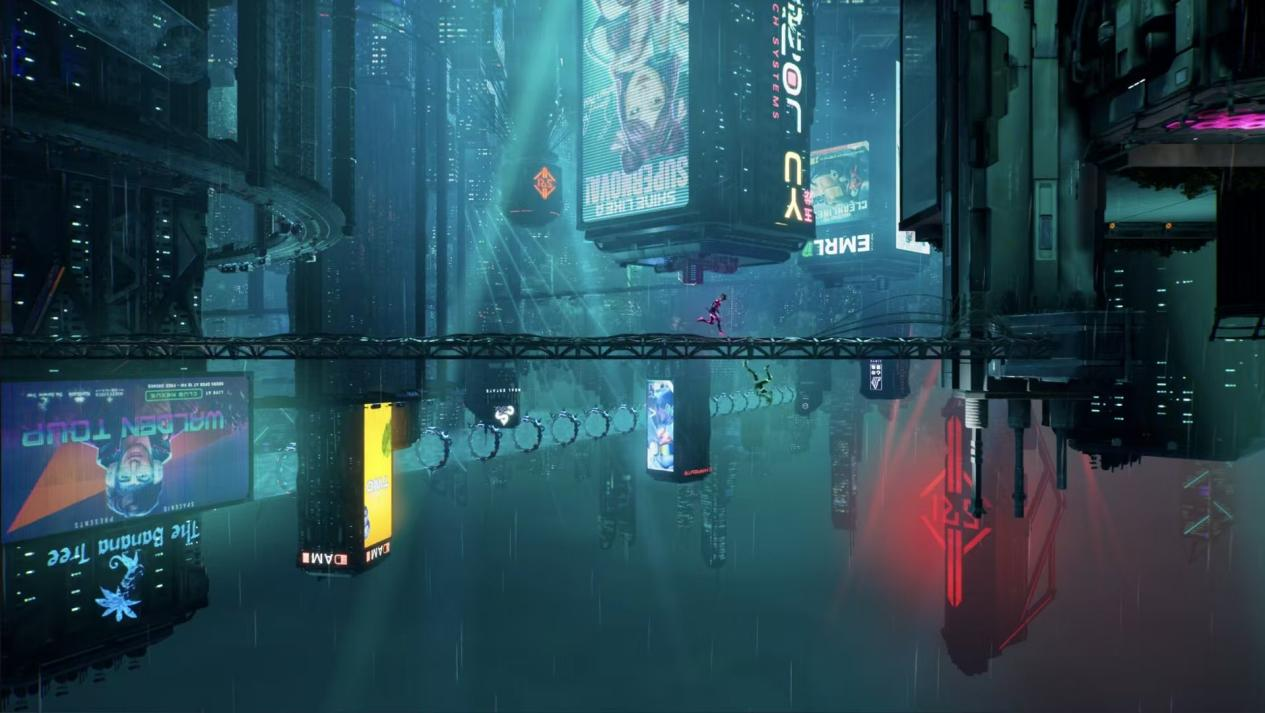
Gameplay Mechanics: A mix of genres
One of the most striking features of Split Fiction is its willingness to experiment with multiple gameplay styles within a single title. Drawing comparisons to titles such as It Takes Two and TMNT Shredders Revenge, Split Fiction offers a collection of different gameplay types that are interwoven to keep the experience fresh. Whether you are into twin-stick shooting, puzzle platforming with a twist, or even quirky simulations like a hot dog simulator, Split Fiction has something for you.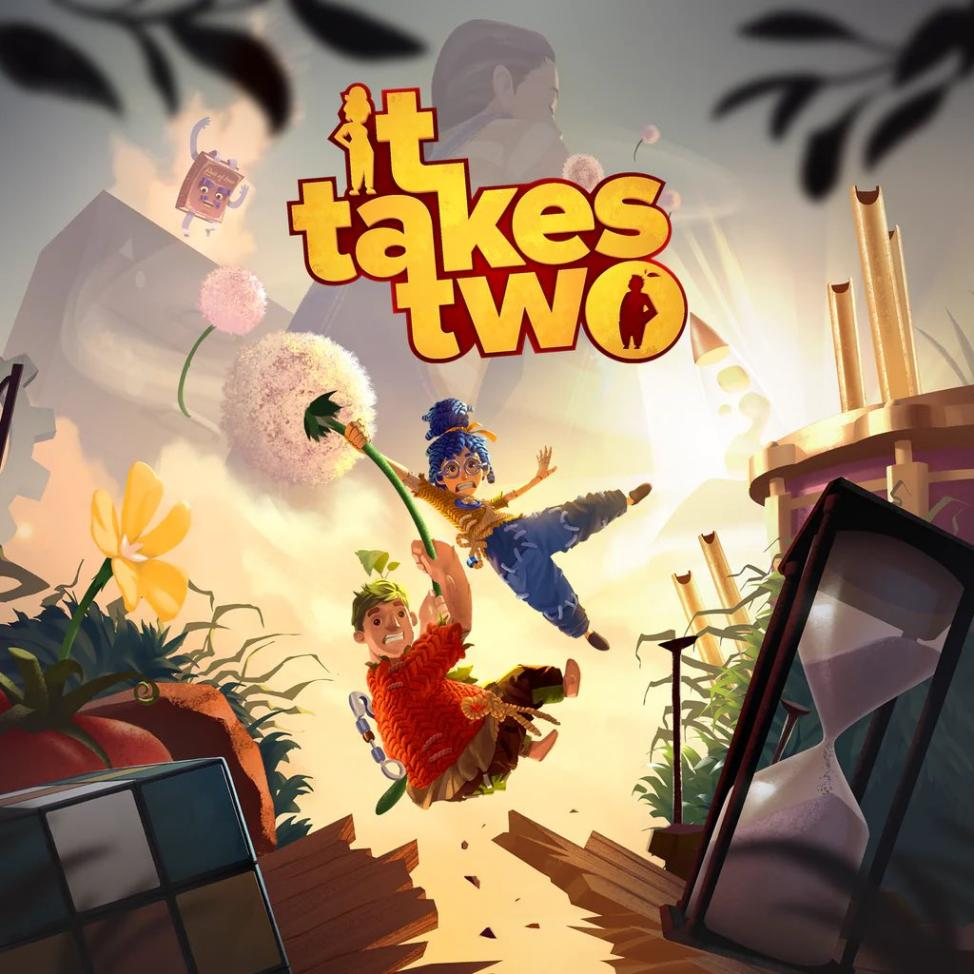
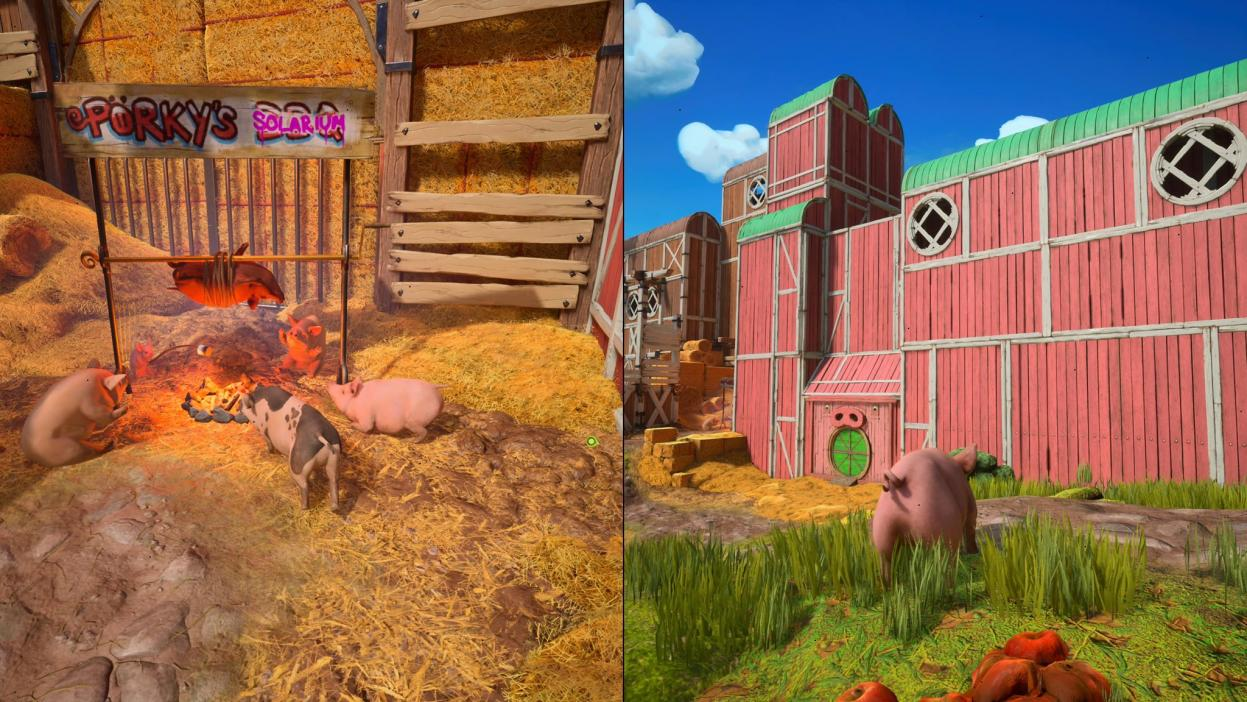
Perhaps the most innovative aspect of Split Fiction is the integration of multiple gameplay styles. Throughout the campaign you will encounter levels that function as twin-stick shooters, sections that challenge you with pinball-inspired puzzles, and even moments that mimic the fast-paced action of a snowboarding game. One standout level, for example, sees Mio and Zoe snowboarding through a war-torn landscape, evoking the thrill of classic arcade racing games. In this section, you and your partner must perform tricks, avoid obstacles and compete for points, all the while working together to escape the chaos. The smooth transition between these different types of gameplay is a testament to the developers' commitment to creating a dynamic and engaging experience. Another highlight of Split Fiction is its emphasis on cooperative puzzle solving.
Unlike many modern co-op games that hold your hand with excessive tutorials or overly simplistic challenges, Split Fiction requires both players to actively communicate and think critically. There is one particular section that blends platforming with pinball mechanics: one player controls the movement of a ball, while the other uses pinball paddles to direct it. This mode requires precise timing and a high degree of cooperation. Even if you stumble on a difficult jump or misjudge a timing window, the satisfaction of finally overcoming the challenge together is incredibly rewarding. This is local multiplayer at its best, designed to test both your reflexes and your ability to work as a cohesive team.
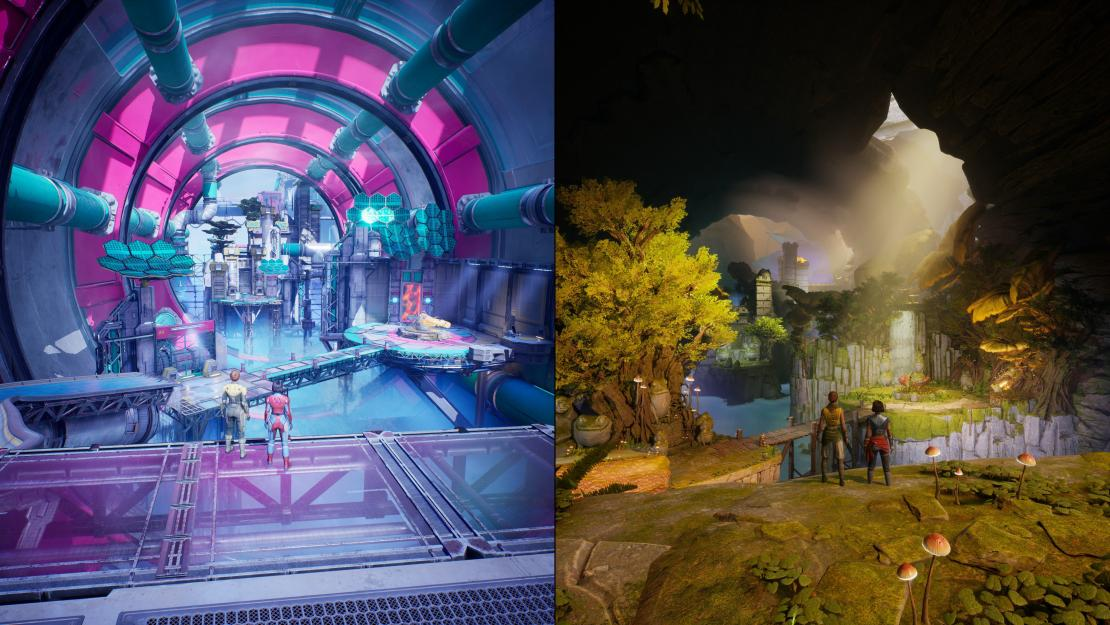
Innovative level design and visual style
Split Fiction is nothing short of stunning. The game boasts dazzling graphics that capture a vibrant, almost dreamlike quality in each of its environments. From neon-drenched futuristic cityscapes to lush, fantastical forests that seem to burst with colour, each level is meticulously crafted to draw you into its world. The level design is clever and imaginative; levels are not just backdrops for action, but integral parts of the narrative and gameplay experience. The seamless transitions between different worlds are handled in a way that feels natural, enhancing the overall immersion.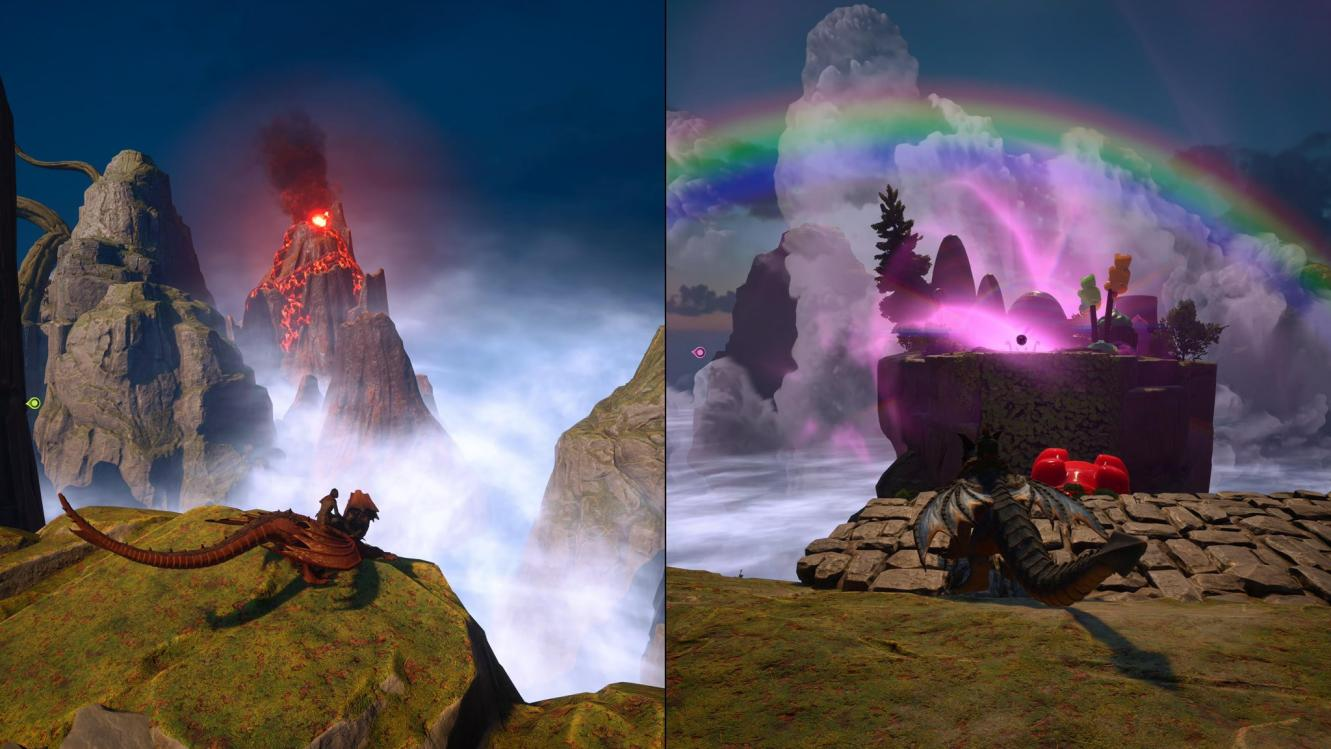
Character dynamics and dialogue
Split Fiction's story is driven by its two main characters, Mio and Zoe, whose interactions are both humorous and heartfelt. Their dialogue is written in a way that feels authentic and relatable, capturing the tension and camaraderie that often defines a successful co-op experience. Mio is the more optimistic of the two, always ready to jump into the fray with a smile, while Zoe tends to be more pragmatic and occasionally sarcastic. This contrast not only adds flavour to the narrative, but also reinforces the idea that different personalities can come together to create something special. The well-written banter and engaging character interactions help ground the game, ensuring that even amidst the chaos of ever-changing gameplay mechanics, the human element remains at the forefront.
The role of teamwork and communication
For any veteran gamer, the importance of teamwork in a cooperative game cannot be overstated. Split Fiction does not hold back in this regard. Every challenge and puzzle in the game is designed to require real-time communication and coordinated effort between players. There is no single player mode, and the game deliberately avoids providing hand-holding cues. Instead, you are encouraged to talk to your partner, plan your moves, and experiment with different strategies. This approach not only makes the game more challenging, but also more rewarding when you succeed. The sense of achievement that comes from a well-coordinated game session is one of the game's strongest selling points.
Challenges and learning curve
It should be noted that Split Fiction does have a learning curve, especially for those new to the concept of cooperative local multiplayer games. The variety of gameplay mechanics and lack of on-screen guidance mean that you will need to invest some time in learning how each element works. However, for experienced gamers who enjoy a challenge, this can be seen as a positive. The game demands that you adapt, learn and grow with each level, which can be a refreshing change from the overly simplistic experiences found in many modern titles. The challenge is part of what makes the game so rewarding; beating a particularly difficult section after several failed attempts will leave you with a sense of satisfaction that few games can match.
The future of local multiplayer
At a time when many games are moving towards online multiplayer and large-scale MMOs, Split Fiction serves as a reminder of the unique joy to be found in local multiplayer experiences. There is something undeniably special about sharing a screen with a friend, working together in real time and experiencing the highs and lows of a game side by side. Split Fiction not only pays homage to classic couch co-op titles, but also pushes the boundaries by incorporating modern gameplay innovations and a rich, immersive narrative. It is a game that challenges the conventional norms of multiplayer design and offers a glimpse into the future of local co-op gaming.
Split Fiction is shaping up to be a standout title in the realm of local multiplayer games. It brings together a wide range of gameplay styles into a cohesive, engaging experience that requires both skill and teamwork. From its innovative mix of genres to its stunning visuals and authentic character dynamics, the game promises to be a fresh and exciting experience for veteran gamers and newcomers alike.
The game's commitment to local multiplayer, its emphasis on co-operative play and its willingness to experiment with different gameplay mechanics make it a title to watch. Although it comes with its fair share of challenges and a steep learning curve, the rewards are plentiful for those willing to put in the time. With its clever integration of multiple gameplay modes, compelling story and emphasis on communication and teamwork, Split Fiction is set to redefine what it means to play a couch co-op game in the modern era.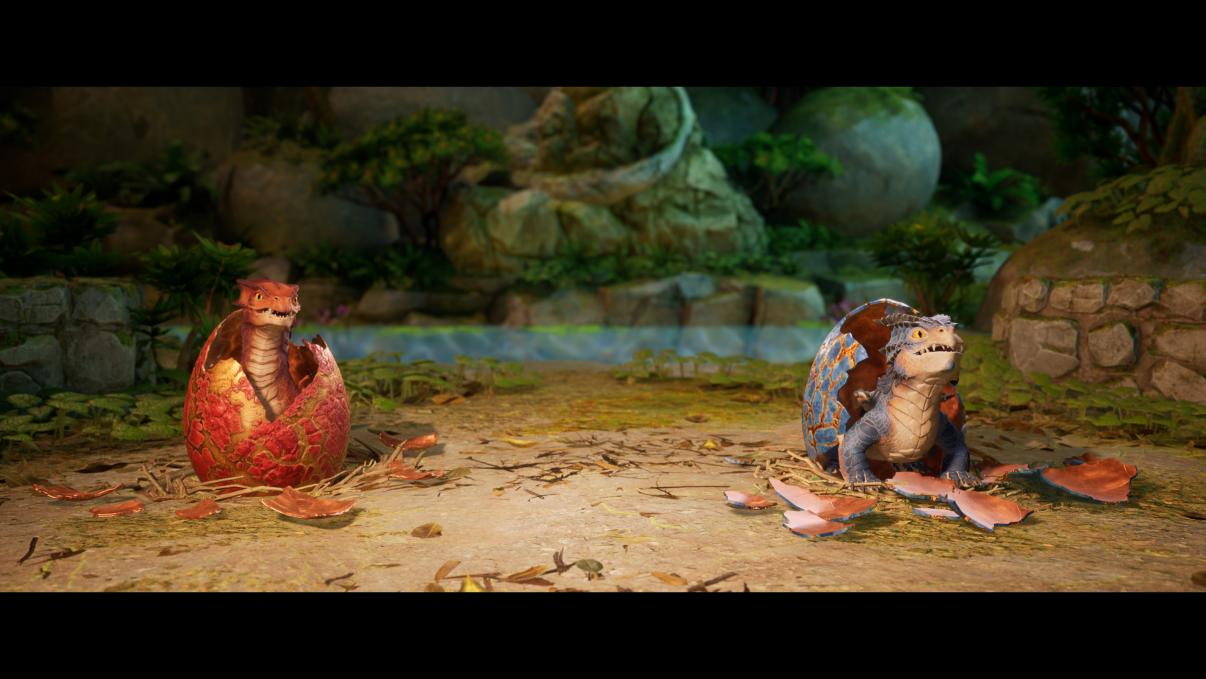
For gamers tired of impersonal online experiences and longing for the days when gaming meant sitting on the couch together, Split Fiction is a welcome return to form. Its bold design choices and innovative mechanics make it more than just another game - it is an experience that is likely to stand out in a year full of promising releases. Whether you are a seasoned veteran who appreciates deep tactical gameplay, or a casual gamer looking for a fun, collaborative adventure, Split Fiction promises to deliver an experience that is both refreshing and unforgettable.
In short, Split Fiction is not just about showcasing different gameplay styles or providing a visually stunning world; it is about delivering a true local multiplayer experience that challenges you to communicate, adapt and work as a team. Its emphasis on cooperation and real-time strategy sets it apart from other co-op games and makes it a must-have for anyone who enjoys playing with a friend. As a veteran gamer, I can say that Split Fiction has all the potential to become a beloved classic in the local multiplayer genre, and I look forward to seeing where it goes from here.


 Email
Email Discord