
- > WoW MoP Classic Phase 5 Siege of Orgrimmar Guide
- > MoP Classic Phase 3 Patch 5.5.3 Notes: What You Need to Know
- > MoP Classic 5.5.2 PTR Dev Notes: What You Need to Know
- > Mists of Pandaria Classic Phase 3: What You Need to Know
- > MoP Classic August Stone Fragment Guide – How to Farm, Spend, and Gear Up Fast
- > MoP Classic Survival Hunter Guide – Master the DoT-Powered Marksman of Pandaria
MoP Classic Tailoring Guide – Crafting, Leveling, and Gold-Making Tips from a Veteran
If you’ve ever enjoyed turning piles of cloth into powerful gear, massive bags, and shiny cloak enchants, then Tailoring in Mists of Pandaria (MoP) Classic is the profession for you. As a veteran who has leveled every profession across multiple expansions, I can confirm that Tailoring is one of the most satisfying and versatile crafting skills in MoP Classic. It not only helps your character but also opens plenty of gold-making opportunities.
In this guide, I’ll walk you through everything you need to know about MoP Classic Tailoring—from leveling efficiently to crafting the best items, unique cloak enchants, and even some gold-making strategies.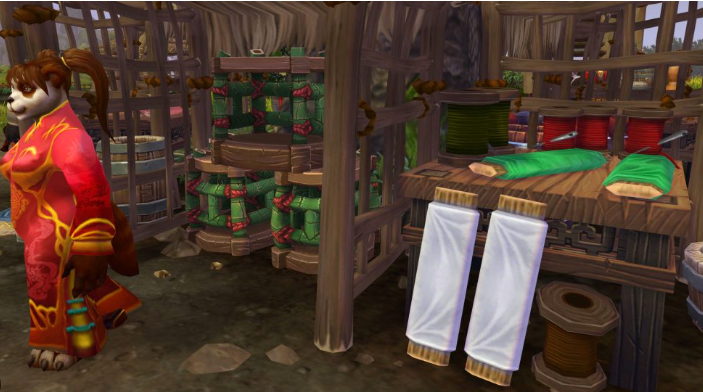
Why Tailoring in MoP Classic is Worth Learning
Tailoring has always been a cloth-crafting profession that supports cloth wearers like Mages, Priests, and Warlocks, but MoP Classic adds a few twists that make it more valuable than ever.
Key benefits of MoP Classic Tailoring:
-
Cloth Gear Crafting – Create armor for leveling and pre-raid gearing.
-
Unique Cloak Enchants – Exclusive to tailors, perfect for boosting performance.
-
Bag Production – High-demand bags that always sell on the Auction House.
-
Gold-Making Potential – Spellthreads, bags, and cooldown crafts remain profitable.
-
Synergy with Enchanting – Disenchant your crafted gear for enchanting materials.
Veteran Tip: Even if you don’t plan on playing a cloth-wearing class, Tailoring can be a smart gold-making choice because bags and spellthreads are always in demand.
Leveling Tailoring in MoP Classic
Tailoring can be trained from level 1 up to 600 in MoP Classic. Unlike gathering professions, Tailoring relies on cloth drops from humanoid enemies, so you’ll either farm or buy most of your materials.
1-300: The Early Grind
-
Start with your Apprentice Tailoring Trainer in your faction’s main city.
-
Focus on simple recipes that require Linen Cloth, Wool Cloth, Silk Cloth, Mageweave, and Runecloth.
-
Vendors in cities sell common patterns that will help you bridge certain gaps.
Veteran Tip: Stockpile cloth early. If you’re leveling multiple alts, send all spare cloth to your tailor.
300-525: Outland to Cataclysm Cloth
-
Transition through Outland, Northrend, and Cataclysm cloths: Netherweave, Frostweave, and Embersilk.
-
You’ll unlock Artisan and Grand Master Tailoring along the way.
-
Check the Darkmoon Faire for its Tailoring quest each month—easy skill-ups!
525-600: Mists of Pandaria Tailoring
-
Train Zen Master Tailoring in Paw’don Village (Alliance) or Honeydew Village (Horde).
-
Start working with Windwool Cloth, the main MoP cloth drop.
-
Prioritize items that use the fewest rare materials to minimize gold spent.
-
Craft gear and bags that can be disenchanted to fuel your Enchanting or to sell materials on the AH.
Veteran Tip: Always plan your cloth usage around daily cooldowns and high-demand crafts to maximize profit and skill-ups.
Tailoring Special Features in MoP Classic
Tailoring isn’t just about crafting robes and gloves—it offers unique perks that make it stand out.
1. Unique Cloak Enchants
-
Swordguard Embroidery – Bonus attack power for melee and hunters.
-
Lightweave Embroidery – Bonus intellect for spellcasters.
-
Darkglow Embroidery – Spirit bonus for healers.
These enchants replace standard cloak enchants, so only tailors can access them.
2. Bag Crafting
-
Tailors craft large Windwool Bags, which are always in demand.
-
Selling bags on the Auction House is a consistent gold-maker.
3. Spellthreads
-
Craft Powerful and inexpensive spellthreads to enhance caster gear.
-
Spellthreads remain a great gold-making product, especially early in the expansion.
4. Cooldown Management
-
MoP Classic retains daily cooldowns for certain rare crafts.
-
Managing your cooldowns can lead to profitable high-demand items later in the phase.
Gold-Making with Tailoring
Tailoring can be a steady income source in MoP Classic. Here’s how I’ve consistently turned cloth into gold over multiple expansions:
-
Bag Crafting – Windwool Bags sell reliably, especially early in the expansion.
-
Spellthreads – Casters will always need them for PvE and PvP.
-
Disenchanting Shuffles – Craft cheap items, disenchant them, and sell the enchanting materials.
-
Daily Cooldown Crafts – Save high-value items for peak Auction House days.
Veteran Tip: Don’t ignore the power of stacking professions. Pairing Tailoring with Enchanting allows you to profit from both bag sales and enchanting mats.
If gold is still tight, consider supplementing your income with MoP Classic gold from trusted sellers like G4mmo, which can help you afford rare materials without endless farming.
Trainer Locations in MoP Classic
-
Stormwind and Orgrimmar – Standard city trainers for early skill levels.
-
Shattrath (Outland) – Master and Grand Master Tailoring trainers.
-
Dalaran (Northrend) – Wrath-era trainers.
-
Paw’don Village / Honeydew Village (MoP) – Zen Master Tailoring trainers.
Veteran Tip: Always check city vendors for common Tailoring patterns. Some patterns are surprisingly profitable.
Final Thoughts
Tailoring in MoP Classic is a fantastic profession whether you want to gear your caster, profit from bag sales, or feed your Enchanting habit. Between unique cloak enchants, consistent bag demand, and the ability to craft useful endgame items, it’s one of the most rewarding crafting paths for dedicated players.
Veteran Advice:
-
Farm and stockpile Windwool Cloth early.
-
Leverage Darkmoon Faire for bonus skill-ups.
-
Use Tailoring as a gold engine by combining it with Enchanting and bag sales.
With some planning and patience, you’ll turn your Tailoring profession into both a power boost for your character and a reliable gold source in Mists of Pandaria Classic.
Recommended Article


 Email
Email Discord