
- > Grow a Garden 2 Star Fruit Guide: Price, Glow Mutation, Best Setup, and Is It Worth It?
- > How to Get Ghost Pepper in Grow a Garden 2
- > How to Get Hypnobloom in Grow a Garden 2
- > How to Get Black Dragon in Grow a Garden 2
- > Grow a Garden 2 Bloodlit Mutation Guide: How to Get It and Maximize Your Profits
- > How to Get Ice Serpent in Grow a Garden 2
How to Get Pollinated Plants in Grow a Garden
If you’ve spent any real time in Grow a Garden, you already know the grind doesn’t stop at just planting seeds and watering them. The real magic happens when you start chasing mutations—and among them, the Pollinated mutation is one of the most valuable. Pollinated plants aren’t just a visual flex for your garden; they open doors to trading for honey, unlocking bee pets, and generally pushing your progression to the next level.
So let’s dig deep and talk about how to get pollinated plants in Grow a Garden, what the mechanics look like, and how you can maximize your garden’s pollination potential without wasting time.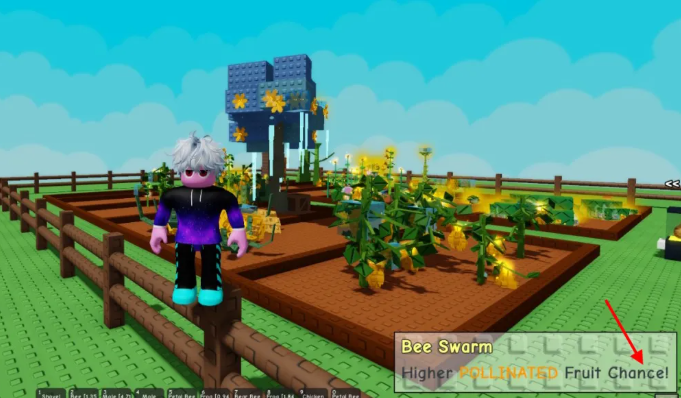
Understanding Pollination in Grow a Garden
Pollination isn’t just a side gimmick. In Grow a Garden, pollinated plants are a full-blown mechanic tied to both progression and resource loops. They’re the key to getting honey, bee pets, and eventually creating a sustainable cycle of garden upgrades.
There are two main ways pollination works in the game:
-
Bee Swarm Events – a timed global mechanic.
-
Bee Pets – the more personal, consistent route to pollination.
Both systems are connected, and if you’re serious about farming pollinated plants, you’ll want to leverage both.
The Bee Swarm Event
The Bee Swarm Event is the bread and butter of natural pollination in Grow a Garden. It happens like clockwork—once every hour, lasting for 10 minutes.
How it Works
-
When the event begins, a swarm of bees will zip through your garden.
-
Any plant they land on has a chance to gain the Pollinated mutation.
-
Once a plant mutates, you’ll see that special tag appear, and the crop becomes a candidate for honey trading.
Maximizing Bee Swarm Events
As a veteran Grow a Garden player, let me give you the straight-up advice here: don’t just idle and hope for the best. Preparation is everything.
-
Plant multi-harvest crops. Crops like Strawberries and Tomatoes are excellent because the bees can pollinate them multiple times per event cycle.
-
Make your garden accessible. Don’t clutter your layout too much; give the bees space to land.
-
Stagger your plantings. If you time your planting cycles to peak during swarm windows, you’re making the most of every event.
In my experience, serious players treat Bee Swarm Events almost like mini raids—you prep your crops, set timers, and maximize every single pollination attempt.
Bee Pets: The Reliable Pollinators
While Bee Swarm Events are solid, they’re not the most reliable. That’s where bee pets come into play.
The Queen Bee
If you’re after pollinated plants consistently, the Queen Bee is the must-have pet. She’s a game-changer. The Queen Bee pollinates one plant every 15 seconds in your garden. That may not sound like much at first, but over the course of a play session, it adds up fast.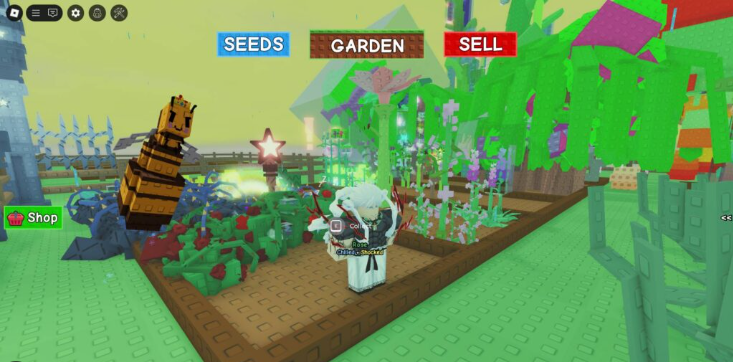
Other Bee Pets
-
Bear Bee: A quirky one. Instead of straight pollination, it turns nearby fruits into honey-glazed versions. Still useful, but less direct for pollinated plants.
-
Future bees: Based on leaks and community chatter, more bee pets are expected down the line. Always keep an eye out for patch notes—bee synergy is clearly a long-term design choice in Grow a Garden.
Why Bee Pets Matter
Events are great, but they’re limited. Bee pets bring consistency. Even if you miss a Bee Swarm Event, you’ve got steady pollination happening in the background.
If you’re serious about getting pollinated plants fast, you really want both systems working in tandem—events for bursts, pets for passive gains.
Honey: Turning Pollinated Plants into Progress
So you’ve got your first batch of pollinated crops. What now? That’s where honey comes in.
You can trade pollinated plants to a bee merchant for honey. Honey, in turn, is the currency you’ll use for bee eggs. Hatch those eggs, and you’ll expand your roster of bee pets. It’s a loop that feeds into itself:
-
Pollinated plants →
-
Honey →
-
Bee eggs →
-
More bees →
-
More pollinated plants
Once you get this cycle rolling, the system essentially snowballs. That’s why veteran players always stress pollination as a turning point in Grow a Garden’s progression curve.
Veteran Tips for Maximizing Pollination
Here’s where I’ll give you the gritty, time-saving advice you only get after sinking hours into the grind:
-
Quick-grow crops are your friends. Stick to Strawberries and Tomatoes during events. Their speed means you get more chances at mutations.
-
Use sprinklers wisely. Some sprinklers not only boost watering efficiency but also increase the odds of mutation. Don’t overlook this.
-
Create a pollinator-friendly garden. If your layout looks like a concrete jungle, bees won’t thrive. A water source and flower diversity matter—even in-game.
-
Skip pesticides. Yes, they exist in the game. No, they’re not worth it. They harm your pollination rate and defeat the purpose.
-
Greenhouse tricks. If you’re running a greenhouse setup, you can actually hand-pollinate using a brush or similar tool. It’s not as efficient as events or pets, but it’s an option if you’re offline during swarm hours.
Trading and the Community Factor
Another overlooked aspect of Grow a Garden is the social meta. Pollination isn’t something you have to grind solo. The community has already figured out efficient strategies:
-
Join the Grow a Garden Discord. You’ll find people calling out swarm events, sharing pollinated plant trades, and helping each other maximize gains.
-
Server hopping. If you’re impatient, hopping between servers during swarm windows can increase your pollination rate. Not everyone likes it, but it works.
-
Player trades. Got extra pollinated crops? Trade them with others looking to fast-track honey production.
It’s this mix of personal effort and community-driven strategy that makes Grow a Garden more than just a casual farming game—it becomes a real MMO-lite experience.
Why Pollinated Plants Matter Long-Term
Pollinated plants aren’t just a side mechanic—they’re a milestone. Once you’ve got a steady pollination flow, you’ll notice a major shift in how you approach the game. Honey unlocks pets, pets unlock consistency, and consistency unlocks endgame-level gardening.
This is also where the economy of the game kicks in. Pollinated crops, honey, and bee pets are part of what keeps the trading scene active. If you’re eyeing the long game, stockpiling pollinated plants is like investing early—you’ll thank yourself later.
And if you’re into marketplaces, there’s no harm in checking out trusted sellers of Grow a Garden items like G4mmo, but the real satisfaction comes from mastering the mechanics yourself.
Final Thoughts
Learning how to get pollinated plants in Grow a Garden is one of those rite-of-passage moments. At first, it feels like a hassle—waiting for events, grinding for the Queen Bee, juggling crops. But once you’ve mastered both Bee Swarm Events and bee pets, the whole system clicks.
You go from a player chasing random mutations to someone running a self-sustaining honey empire. And that’s the point of Grow a Garden: turning simple mechanics into complex loops that reward planning, timing, and persistence.
If you’re new, focus on the basics: be ready for every Bee Swarm Event, prioritize getting the Queen Bee, and plant quick-harvest crops. If you’re a veteran, refine your layouts, optimize your sprinklers, and keep your bees buzzing around the clock.
Either way, once you’ve got pollinated plants rolling in, you’ll unlock one of the most rewarding loops the game has to offer.
Recommended Article


 Email
Email Discord